How to Onboard, Engage, and Retain Great Nonprofit Board Members – Even After Their Terms End
Most nonprofit leaders spend a lot of time thinking about how to recruit great board members. And that’s important. But recruitment is only the beginning of the relationship.
The real magic happens after someone says “yes” to joining your board.
How you welcome, educate, and engage board members from day one can determine whether they become deeply invested champions for your mission – or quietly disengaged names on a roster. And when their terms eventually expire, the question becomes: How do you keep that knowledge and passion connected to your organization?
Let’s look at the full board member lifecycle: onboarding to long-term engagement.
Start With a Strong Onboarding Process
When a new board member joins, they’re usually excited about your mission. But that enthusiasm can quickly turn into confusion if they don’t understand how the organization operates or what’s expected of them.
A thoughtful onboarding process helps new members feel confident and ready to contribute.
Consider providing a board orientation packet that includes:
Your mission, vision, and strategic priorities
Recent annual reports or program summaries
Board member roles and expectations
Committee descriptions
Key policies and governance documents
The annual life cycle – major happenings throughout the year
Contact information for fellow board members and leadership
Even better, schedule a short orientation meeting with the board chair or executive director to walk through the materials and answer questions. If you have a few new members, schedule the orientation for a time when all can attend to meet each other.
A small investment of time early on can prevent misunderstandings later and helps new members start contributing much sooner.
Preserve Institutional Knowledge
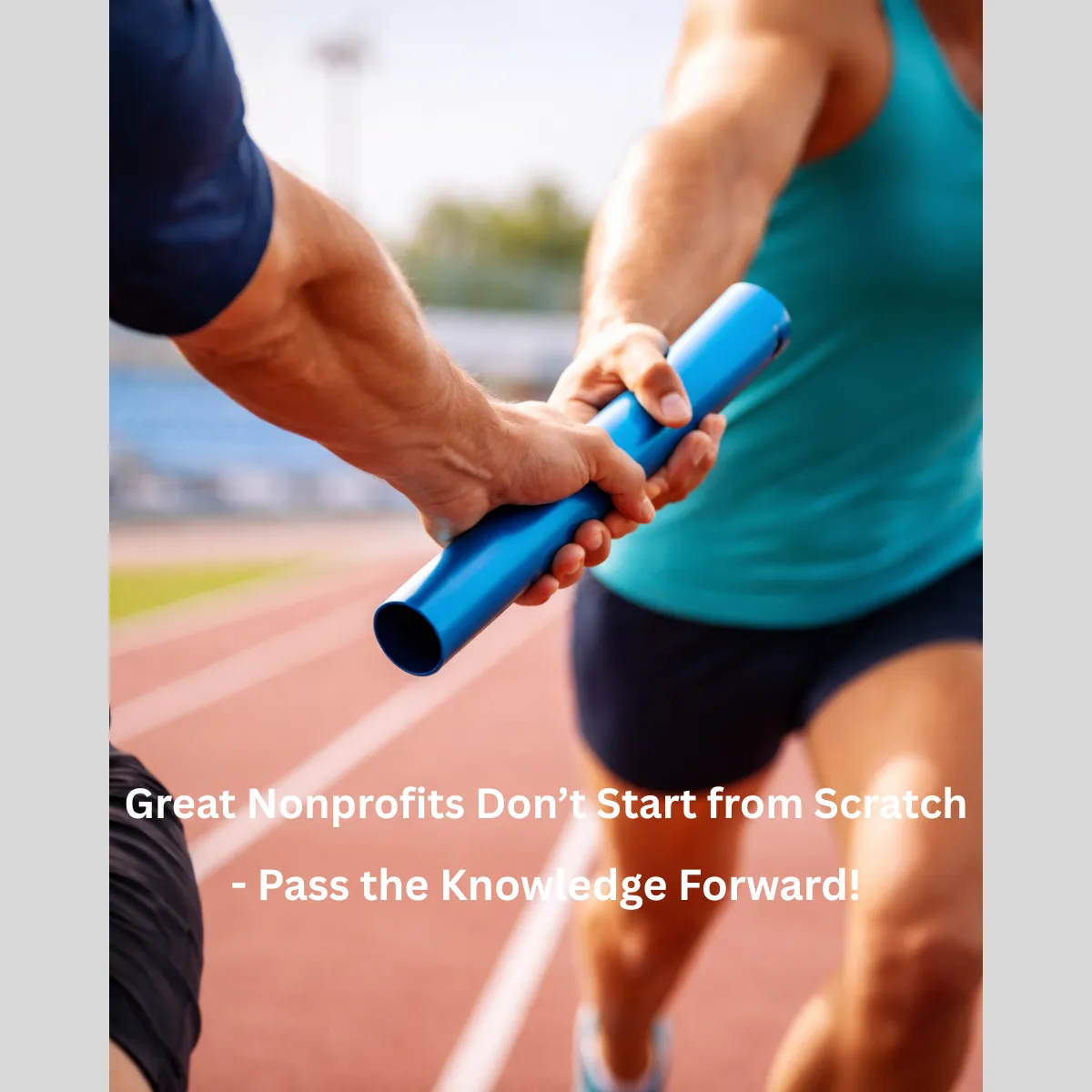
Another benefit of thoughtful onboarding is that it helps preserve something many nonprofits accidentally lose over time: institutional knowledge.
Experienced board members accumulate valuable insights about past programs, partnerships, fundraising efforts, and lessons learned along the way. When that knowledge isn’t shared or documented, new leaders often find themselves reinventing systems or even repeating mistakes that were already solved years earlier.
Orientation packets, board handbooks, and mentorship from experienced board members can help ensure that new leaders understand not only what the organization does, but also why certain decisions were made along the way.*
Protecting that institutional memory helps organizations move forward with confidence instead of constantly starting from scratch.
* Of course, you want new members to challenge the status quo at times to move the organization forward. Sometimes “new old” ideas that didn’t work in the past may work now in a different way or a different climate. All board members should be open to exploring new ideas.
Clarify Expectations Early
Many board members join with the best intentions but don’t fully understand what the role involves.
Clear expectations help everyone succeed.
Your onboarding process should explain things like:
How often the board meets
What preparation is expected before meetings
Committee participation
Event and board meeting attendance
Fundraising expectations or “give or get” policies
How board members can best support the mission
When expectations are clear from the beginning, board members are far more likely to stay engaged and productive.
Help Board Members Find Their Strengths
One of the best ways to keep board members engaged is to use their talents well.
Some people bring financial expertise. Others excel at community connections, marketing, governance, or program insight. When board members feel that their unique skills are recognized and valued, they become far more invested in the organization’s success.
Take time to learn what each member enjoys doing and where they feel they can contribute the most. No one wants to feel their talents are not wanted or needed. The more their work aligns with their strengths, the more meaningful the experience becomes.
Keep Board Members Connected to the Mission
Board service should never feel like just another meeting on the calendar.
One powerful way to maintain engagement is by regularly reminding board members why the organization exists in the first place.
This could include:
Sharing client success stories
Highlighting program outcomes
Inviting board members to volunteer at events or programs
Bringing in guest speakers or program participants
When board members see the real impact of the work, their motivation stays strong. Many times this energy wanes about a week out from the board meeting as life intervenes, so having monthly board (or at least committee) meetings will continually keep your organization at the forefront of importance in their lives.
What Happens When Their Term Ends?
Even the most dedicated board members eventually reach the end of their term limits. But that doesn’t mean their relationship with the organization should end.
In fact, this is where many nonprofits accidentally lose some of their most valuable supporters and institutional knowledge.
Instead of simply saying goodbye, consider ways to keep those experienced leaders connected.
The Power of an Advisory Board
Many nonprofits create advisory boards made up of former board members, subject matter experts, community leaders, and other organization mentors.
Advisory board members don’t carry the same governance responsibilities as the governing board, but they can still:
Offer guidance and institutional knowledge
Provide introductions and community connections
Mentor newer board members
Support fundraising efforts
Serve as ambassadors for the organization
It’s a wonderful way to keep experienced supporters engaged while making room for new leadership. Keep this group fully engaged to maintain their support.
Stay in Touch With Former Board Members
Even if you don’t formally create an advisory board, it’s still important to maintain those relationships.
Former board members often become some of your strongest champions. Keep them connected by:
Inviting them to events
Sharing updates and milestones
Asking for occasional advice
Recognizing their continued support
When people feel appreciated and included, they remain part of your nonprofit’s extended family.
A Lesson Many Nonprofits Rediscover
In conversations I’ve had with long-time board members while researching nonprofit leadership practices, one comment comes up again and again:
“We used to have a board orientation packet and training for new members… but somewhere along the way, it disappeared.”
It’s rarely intentional. Over time, leadership changes, priorities shift, and processes that once worked well quietly fade away.
Rebuilding those simple systems – orientation materials, mentoring, and ongoing engagement – can make a tremendous difference in how confident and effective new board members feel.
Sometimes the best improvements aren’t brand new ideas at all. They’re simply reviving the practices that once helped the organization run smoothly.
The Long View of Board Leadership
Great nonprofit boards don’t happen by accident. They are built through thoughtful recruitment, meaningful engagement, and ongoing relationships that extend far beyond a single board term.
When you welcome new members well and continue nurturing those connections over time, you create something even more valuable than a strong board. You build a lasting community of supporters who care deeply about your mission.
And that kind of commitment can carry a nonprofit forward for many years to come.
Until next time, keep leading with passion and purpose. 💌
Have a question or want to share your thoughts? Email me at [email protected]. I’d love to hear from you.