Lessons from the “Plagues” of the Past Year and a Half: Part 3
When “No” Isn’t the Final Answer
The past year and a half has been… a lot.
Medical crisis. Safety scares. Floods. Contractors. Insurance battles. Mechanical failures. And a steady stream of moments that made me stop, look around, and say out loud, “Are you kidding me?!”
If I hadn’t lived it, I’m not sure I would believe all of this could happen to one family in such a relatively short period of time. But it did – and along the way, I learned another critical lesson:
“No” is often just the first answer.
Too often systems count on people being too tired, overwhelmed, or intimidated to challenge them.
Insurance Is Not Designed for Convenience
After the beach house flooded due to the contractor leaving part of the roof open, we did what you’re supposed to do. We filed claims. We provided documentation. We answered questions.
And then we were told “no.”
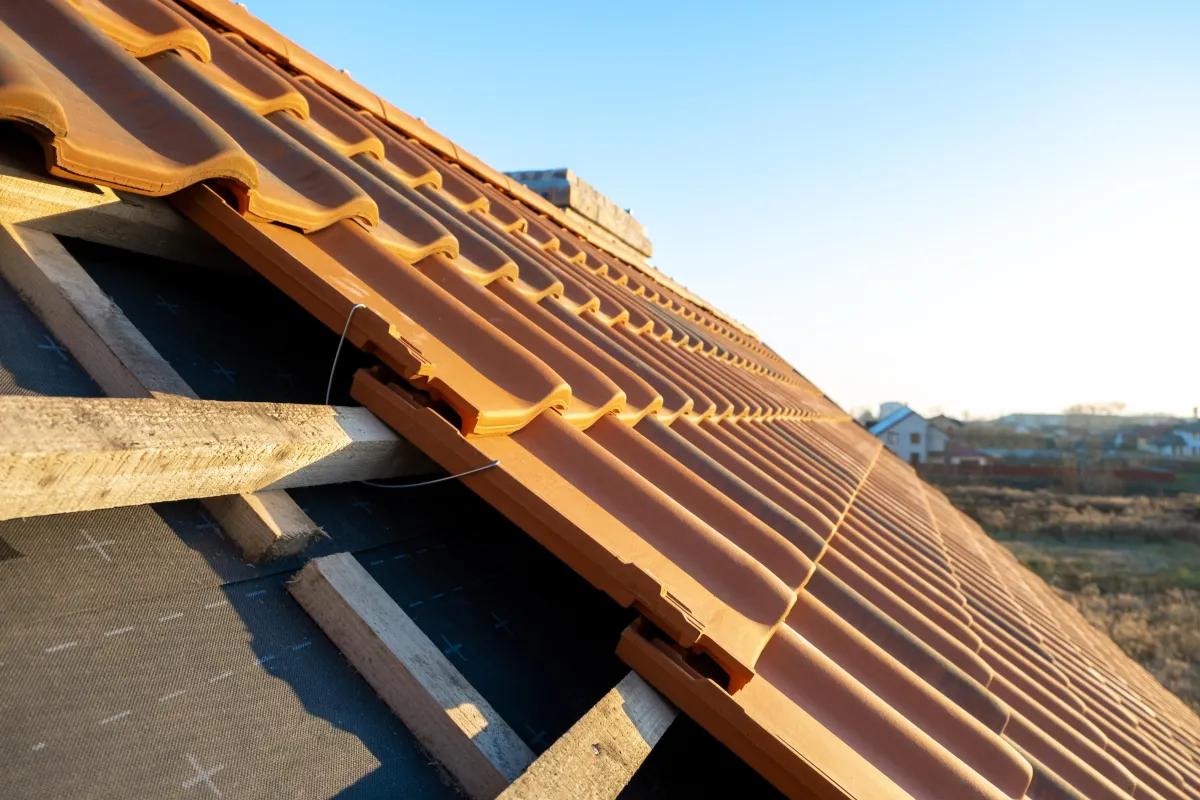
Our insurance company said they don’t cover wind-driven rain. I tried to explain that there was no wind. It rained straight down into an open hole in the roof. The contractor’s insurance company denied coverage as well, claiming the damage involved an “open roof” and “work not completed” – things they said they don’t cover.
At that point, it would have been easy to give up. We were exhausted. This was layered on top of medical issues, other repairs, and ongoing stress. But this was a “no” that didn’t make sense, and I knew it.
Taking It to the Next Level
So, I did something many people don’t realize they can do: I contacted the Delaware Insurance Commissioner.
That changed everything.
Once regulators became involved, the tone shifted. The facts were reviewed again. Questions were asked differently. And eventually, BOTH insurance companies paid. (I did have to repay one after the second check came in, but I was happy to do so.)
The lesson here is simple, but important: Escalation is not aggression. It’s advocacy.
If you know you’re right, if the facts are clear, and if a denial doesn’t pass the common-sense test, it’s okay – and often necessary – to push back.
The Propane Lockout Lesson
Last month, we dealt with a propane leak at the beach house. The propane company confirmed the leak but couldn’t locate it, so they were required by law to shut off and lock the propane tank. No heat. No hot water.
A plumber fixed the leak quickly, but the propane company had only one technician available to come back to unlock the tank. That wouldn’t happen until the Monday before Christmas, but we were planning on arriving the day before for an early Christmas celebration with family. No matter how much I pushed, I was told there was no way to get the propane back sooner. We spent a very cold night in the house!
Communication was poor. Timelines slipped. Promises weren’t kept.
What helped? Asking the right questions early and getting the service manager’s direct contact information. When things stalled, I didn’t argue. I followed up, documented, and escalated appropriately. The tank was unlocked Monday morning, and we had heat and hot water again, but only after calls and texts to the service manager.
Not because we waited patiently, but because we stayed persistent.
The Lesson
Systems are not built to prioritize your urgency. They are built to follow process.
That means:
Document everything
Ask who oversees whom
Stay calm, factual, and persistent
And don’t assume the first “no” is the final word
Advocacy doesn’t require being loud or confrontational. It requires being steady and informed.
Because sometimes the difference between an unresolved problem and a fair outcome is simply refusing to accept an answer that doesn’t make sense.
If there’s one thing this chapter reinforced, it’s that the smallest oversights can create the biggest consequences, especially when we assume someone else is handling them. But beyond maintenance schedules and inspections, this season taught me something deeper. In the final post of this series, I’ll share the lesson that surprised me most: how resilience, perspective, and a sense of humor become essential when the hits just keep coming – and why sometimes the only reasonable response is to laugh and say, “Are you kidding me?!”